quinta-feira, 7 de novembro de 2013

Sorriso de foto / Photo smile

Incomodado com alguma irregularidade presente no sorriso ou apenas pelo desejo de aprimorar a aparência deste, um número cada vez maior de pacientes buscam por procedimentos estéticos e cosméticos nos consultórios odontológicos. Esses pacientes almejam alcançar um sorriso perceptivelmente harmonioso e agradável,não apenas para si, mas, também, para o meio social e profissional em que vivem. Na verdade, o que todos querem é apresentar um sorriso natural e universalmente admirado.
A profissão de modelo fotográfico,é uma das que mais exigem da estética corporal e também dental. O trabalho do Dentista pode interferir definitivamente na qualidade das fotos e na estética bucal do(a) modelo fotográfico.Desde um simples fechamento de espaços dental(diastemas),até uma completa estética do sorriso,com cirurgias periodontais,ortodontia,clareamento dental,facetas e coroas caso necessário.


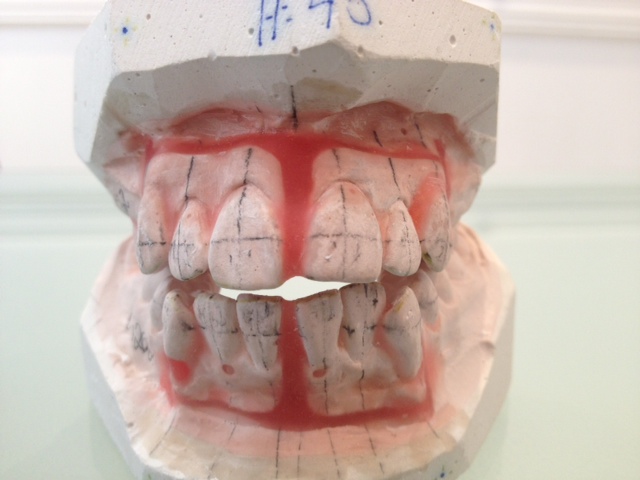
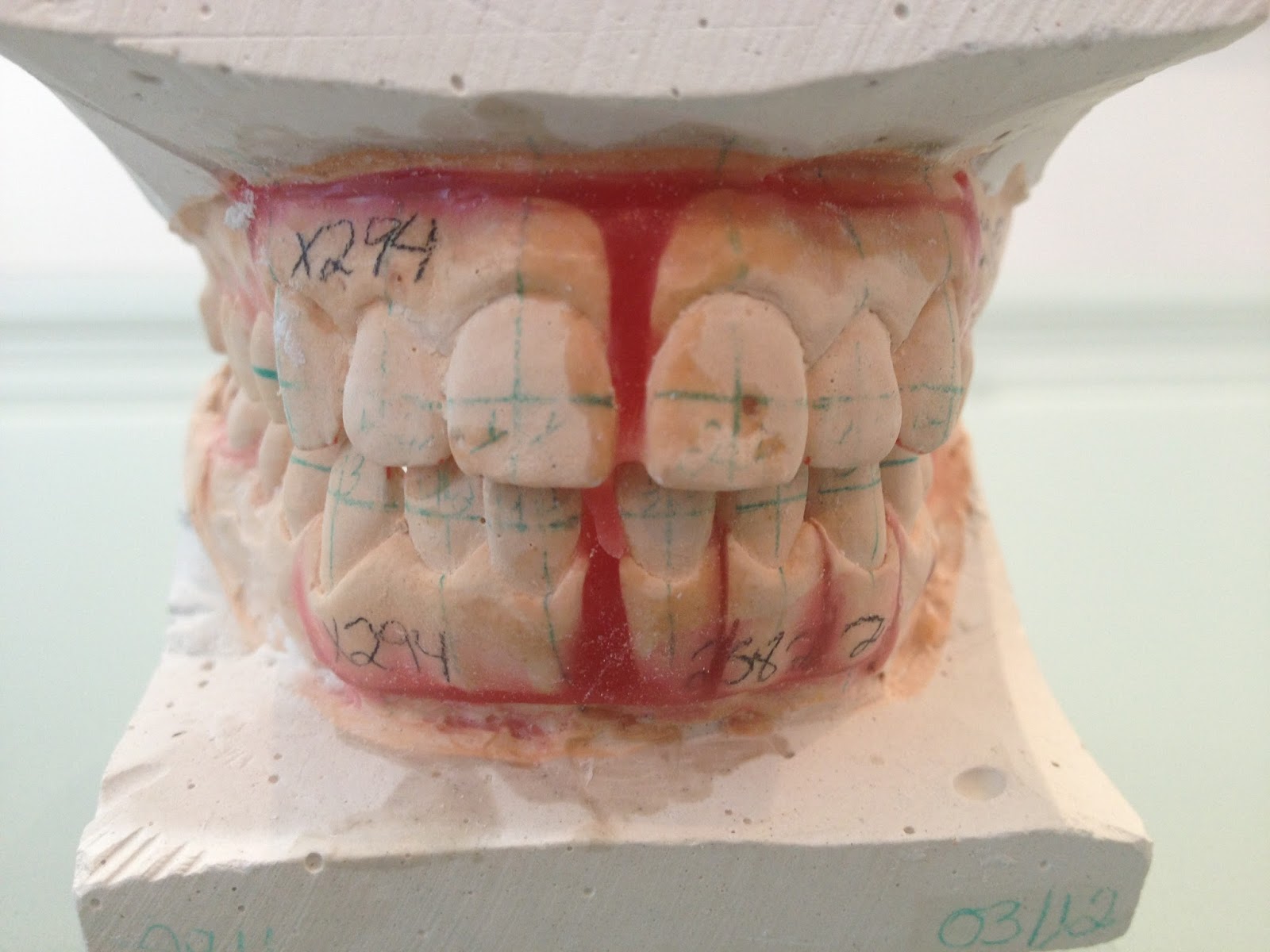
No caso a seguir, paciente chegou ao consultório com queixa de pequena giroversão do dente 22 ,alinhamento do sorriso um pouco irregular.
Indicamos o tratamento com clear aligner e posterior clareamento dental. O tratamento obteve seu objetivo,mesmo durante o tratamento,a paciente conseguiu trabalhar,fazer fotos sem a parcepção do aparelho na sua boca,tal a transparência do material.    
Agradeço a Diana, a  todos meus pacientes e modelos fotográficos que confiam em meu trabalho e que tiveram melhoras em seu sorriso e por consequência em seu trabalho!


Bothered with irregularlies present in the smile or just the desire to improve the appearance of this, a growing number of patients looking for cosmetic and aesthetic procedures in the dental office. These patients aim at achieving a smile perceptibly smooth and enjoyable, not only for themselves but also for the social and professional environment in which they live. Actually, what everyone wants is to present a natural smile and universally admired.


The profession of photographic model, is one of the most demanding body care and also dental esthetics. The work of the dentist can definitely interfere in the quality of photos and oral aesthetics of (a) photographic model. From a simple closures dental spaces (diastema) until a complete smile aesthetics with periodontal surgery, orthodontics, teeth whitening, veneers and crowns if necessary.


In the following case, patient came to the clinic, complaining of small giroversion 22 tooth and smile alignment, a bit uneven.
We indicate the clear aligner treatment and subsequent tooth whitening. Treatment was his goal, even during treatment, the patient was able to work, take pictures without parception of anything in your mouth, such the transparency of the material.
Thanks  Diana and all my patients and photographic models who trust my work and had improvements in your smile, and consequently in his work!

Diana Huttel


segunda-feira, 21 de outubro de 2013

Cremes dentais anti-tártaro,funcionam?/Anti-tartar toothpastes, works?

Quando foram introduzidas anos atrás, os dentífricos de controle de tártaro, causaram sensação no mercado devido à sua suposta capacidade de prevenir doenças da gengiva. Mas a questão permanece: será que esses produtos funcionam realmente ou são apenas um truque de publicidade?
Primeiro de tudo, o que é o tártaro? Este calcário, uma substância rígida que o dentista chama cálculo é um produto de minerais presentes na sua saliva e na placa bacteriana - de um material pegajoso que se agarra à superfície dos dentes. Com o acúmulo da placa, ela endurece e forma o tártaro, que irrita a gengiva e pode torná-lo susceptível à doença periodontal.
O tártaro é a placa bacteriana calcificada, feita dos minerais presentes na saliva. Se a placa não for removida pela escovação e uso de fio dental, ele pode começar a endurecer em 24 a 36 horas.
Os dentífricos de controle de tártaro, contêm normalmente pirofosfato e citrato de zinco, o que pode reduzir o tártaro como 50 por cento. No entanto, não há nenhuma evidência de que o uso de tais produtos irá efetivamente prevenir doenças da gengiva ou cárie dentária.
A razão: a maioria dos efeitos nocivos do tártaro ocorrer abaixo da linha da gengiva, que não pode ser alcançado por escovação com dentifrícios antitártaro. Somente um dentista pode raspar esses depósitos duros, o que significa que não há substituto para o cuidado dental regular.
Além de ser não tanto eficaz, os cremes dentais antitártaro também podem tornar os dentes mais sensíveis ao frio de acordo com a quantidade de ingredientes ativos presentes. Os ingredientes ativos de algumas marcas podem deixar a sua boca vermelha e irritada. Isto foi relatado pelo Journal of the American Academy of Dermatology, que disse que a erupção gengival surgiu em um grupo de mulheres que estão sendo tratadas por problemas dentários em um hospital de Baltimore. Isso foi mais tarde atribuída ao efeito irritante de seus cremes dentais de controle de tártaro.
Lembre-se,milagres em Odontologia são difíceis de acontecer,um profissional qualificado pode te ajudar e muito,mas procure também mais informações sobre os cremes dentais "milagrosos",que clareiam os dentes,evitam tártaro e placa bacteriana,previnem doenças, etc.

Para tirar o máximo proveito dos cremes dentais, escolha um com vários ingredientes e não somente com “soluções anti-tártaro”. Dessa forma, ele pode manter os dentes limpos e saudáveis. Mas não se esqueça de consultar um dentista regularmente. Caso contrário, o tártaro pode se acumular sob a linha da gengiva e levar a problemas graves mais tarde.


When they were introduced years ago, tartar control toothpastes, caused a stir in the market due to its supposed ability to prevent gum disease. But the question remains: can these products work or realty are just a publicity gimmick?
First of all, what is tartar? This limescale, a hard substance called calculus by the dentist is a product of minerals in your saliva and dental plaque - a sticky material that clings to the surface of the teeth. With the accumulation of plaque, it hardens and form tartar, which irritates the gums and can make them susceptible to periodontal disease.
Tartar is calcified plaque, made ​​of minerals present in saliva. If plaque is not removed by brushing and flossing, it can begin to harden in 24-36 hours.
The control tartar toothpastes, typically contain zinc pyrophosphate and citrate, which can reduce tartar as 50 percent. However, there is no evidence that use of such products will effectively prevent gum disease or dental caries.
The reason: most of the harmful tartar effects occur  below the gum line, which can not be reached by brushing with toothpaste antitartar. Only a dentist can shave those hard deposits, which means that there is no substitute for regular dental care.
Besides being not so effective anticalculus toothpastes may also make the teeth more sensitive to cold according to the quantity of active ingredients present. The active ingredients in some brands may leave your mouth red and irritated. This was reported by the Journal of the American Academy of Dermatology, which said the gingival eruption appeared in a group of women who are being treated for dental problems at a hospital in Baltimore. This was later attributed to the irritant effect of their toothpastes control tartar.
Remember, miracles in dentistry are hard to come by, a qualified professional can help you a lot, but also look for more information on the "miraculous" toothpastes  that whiten teeth, prevent tartar and plaque, prevent diseases, etc..
To take full advantage of toothpastes, choose one with many ingredients and not just "anti-tartar solutions." That way, it can keep your teeth clean and healthy. But do not forget to visit your dentist regularly. Otherwise, tartar can build up under the gum line and lead to serious problems later.

terça-feira, 6 de agosto de 2013

Resultados de excelência com Clear Aligner/Excellent results with Clear Aligner

Já a 3 anos realizando este tipo de procedimento no consultório,sempre com sucesso nos casos escolhidos para tal.Como credenciado pela Clear Aligner International,estou muito satisfeito com os resultados obtidos.Podemos analisar em fotos alguns casos, sempre com tempo de tratamento inferior ao usual com aparelhos fixos.Obviamente também sempre analisando caso a caso e fazendo a eleição por este tipo de tratamento.
                                                                               
                                                                          Inicial caso 1 má-oclusão,alinhamento e posição dos caninos inferiores

6 mêses após caso 1


Para o que se propõe o plano de tratamento,que é alinhamento e funcionamento dental,fechamento de diastemas, giroversões dentais e certo ajuste oclusal, o resultado final é altamente satisfatório como se vê.

Inicial caso 2 diastema central e mordida profunda


5 mêses após caso 2

O prazo para finalização dos tratamento varia, mas a média é do no máximo 8 meses de tratamento nos casos realizados até agora.abaixo exemplo de apinhamento dental em tratamento,paciente com implantes superiores,necessitando apenas da correção na arcada


Inicial caso 3 apinhamento
4 mêses após caso 3


Already three years performing this procedure in the office, always with success in selected cases for this. As accredited by Clear Aligner International, I am very pleased with the results. We can analyze photos in some cases, always with time below the usual treatment with fixed appliances. Obviously also  always analyzing each case and making choice for this type of treatment.

For what the treatment proposes  that is aligned and functioning ,dental diastema closures, dental rotation  and occlusal adjustment , the final result is highly satisfactory as can be seen.

The deadline for finalizing the treatment varies, but the average is the maximum 8 months of treatment in cases performed so far. From last(third) example of dental crowding in treatment, patient with upper implants, requiring only the correction in the lower arch.


sexta-feira, 15 de fevereiro de 2013

Lente de contato Dental

Lente de contato dental é simplesmente uma fina camada de porcelana bem dura e resistente. Possui menos da 1 mm de espessura e sempre é aplicada na parte vestibular( frontal) do dente,deixando o paciente com a linha de sorriso harmônica, mostrando os dentes quando sorri. Uma das vantagens da lente de contato dental, é que não precisa ser feito o desgaste do esmalte e estrutura dental na maioria dos casos.Outra vantagem é a escolha da cor, deixando o sorriso natural sem a necessidade de "refazer" a cor com o passar do tempo. O principal objetivo é fazer com o que o paciente tenha uma estética dental em harmonia com a gengiva,lábio,rosto e estruturas dentais remanescentes. As duas principais funções deste tratamento, consistem em: - alinhamento dental - clareamento do sorriso - fechamento de diastemas(espaços) dentais O Cirurgiao Dentista é o responsável por fazer a avaliação e indicações ou não de acordo com a necessidade do paciente, mas principalmente com a possibilidade de se fazer o tratamento. Em alguns casos como bruxismo(ranger dos dentes),má oclusão e grandes espaços protéticos, a técnica nao é recomendada. Dental contact lens is simply a thin layer of porcelain very hard and resistant. It has less than 1 mm thick and is always applied on the labial (front)side of the tooth, leaving the patient with the smile line harmonic, showing his teeth when he smiles. One advantage of tooth contact lens, is that it`s not be done attrition of the tooth enamel and in most cases. Another advantage is the choice of color, leaving the natural smile without the need for "remake" color over time. The main objective is for the patient has dental aesthetics in harmony with the gum, lip, face and tooth structure remaining. The two main functions of this treatment consists in: - Dental alignment - Smile whitening - Closure of dental diastema (spaces) The Dentist is responsible for making the evaluation and indication or not according to the need of the patient, but mainly with the possibility of doing the treatment. In some cases such as bruxism (teeth grinding), malocclusion and large prosthetic spaces, the technique is not recommended.

sexta-feira, 26 de outubro de 2012

Implantes de carga imediata/Immediate load implants

Falando em implantes dentários , na maioria dos tratamentos o paciente é submetido a cirurgia para colocação de implantes e aguarda um período de 4 a 6 meses para que haja osseointegração (união definitiva entre o osso e o implante).
A colocação dos implantes é feita normalmente com anestesia local e sem que haja dor. O pós-operatório na grande maioria das vezes é bem tranquilo e qualquer desconforto é eliminado com o uso de analgésicos.
Após a cirurgia,muito se fala sobre implante dental pela técnica da carga imediata. Para explicarmos  mais sobre isso, antes temos que frisar que nem todos os pacientes podem receber implantes imediatos. O motivo disso é que mesmo com toda documentação , as vezes só podemos saber se é possível fazer implantes dentais com carga imediata no momento da cirurgia. Cada tipo de osso apresenta uma resistência ao torque que será dado, que é medida por um dispositivo chamado torquímetro. Quando uma força adequada é atingida por esse torquímetro, significa que podemos utilizar da técnica de carga imediata no implante dental.
Caso não seja atingida essa força de torque mínima, o implante é protegido por uma tampinha chamada parafuso de cobertura ou cicatrizador e somente após 3-4 meses é possível a instalação de uma prótese sobre implante.
Outro fator importante para se saber é que a prótese utilizada na técnica da carga imediata não é uma prótese sobre implante definitiva, e sim uma prótese provisória. Isso se deve ao fato que o implante não pode receber cargas muito grandes enquanto está cicatrizando ou passando por um processo chamado ósseointegração.
A prótese provisória utilizada na carga imediata tem a função de promover estética e modelar a gengiva para receber a futura prótese sobre implante feita de porcelana.
Portanto,não se pode acreditar em profissionais e técnicas milagrosas,que prometem a todos sair da cirurgia com implante definitivo na primeira e única sessão,cada caso deve ser analisado e examinado com toda a documentação necessária individualmente,antes de se prometer ao paciente verdadeiros milagres.


Speaking of dental implants, in most treatments the patient underwent surgery to implant insertion and waits a period of 4 to 6 months so that there is osseointegration (definitive union between the bone and the implant).
The insertion of implants is usually done under local anesthesia and without pain. The postoperative period in most cases is very quiet and the discomfort is eliminated with the use of analgesics.

After surgery, much is said about the technique of dental implant immediate loading. To explain more about it ,we have to emphasize that not all patients can receive immediate implants. The reason is that even with all the documentation, sometimes we can only wonder if it is possible to do with immediate load dental implants at surgery. Each type of bone exhibits resistance to torque is given, which is measured by a device called torque wrench. When a force is reached by that proper torque wrench, means that we can use the technique of immediate loading in implant dentistry.

If this force is not attained minimum torque, the implant is protected by a screw cap call coverage and healing caps or only after 3-4 months is possible to install a prosthesis on implants.

Another important factor to know is that the prosthesis used in the technique of immediate loading is not a definitive implant prosthesis on, but a temporary prosthesis. This is due to the fact that the implant can not receive very large loads while healing or through a process called osseointegration.
The transitional prosthesis used in immediate loading has the function of promoting the gum aesthetics and shape to receive future prosthesis on implants made ​​of porcelain.

Therefore, we can not believe in miraculous professionals and their technicals , that promise for all, going out of surgery with the final implant teeth in the first and final single session, each case must be analyzed and examined with all necessary documentation ,individually, before promisea miracle for the patient.


terça-feira, 23 de outubro de 2012

O Dentista e a influência na vida profissional de seus pacientes/The Dentist and the influence on the professional lives of their patients

Sabemos que como Dentistas,mexemos com pessoas que possuem os mais variados problemas de diferentes ordens sociais ou psicológicas.
Para isso,é necessário antes de tudo uma boa conversa e uma boa anamnese,para tentarmos entender os problemas pelos pacientes relatados,muito além dos problemas funcionais.
No caso clínico a seguir,observa-se primeiro a queixa do paciente,modelo profissional e altamente dependente de sua aparência e sorriso para obtenção de sucesso na carreira.
Chegou ao consultório,com a queixa principal de seu dente 11(incisivo central superior direito),com corôa metalo-cerâmica,passando a translucidez do metal para porcelana e escureciento gengival da região cervical do dente.Além disso,outras queixas evidentes nas fotos profissionais realizadas pelo paciente,eram a exposição gengival demasiada ao sorrir,o tamanho dos dentes 12 e 22(Incisivos Laterias Superiores) em relação aos Incisivos Centrais Superiores, o alinhamento da parte incisal dos dentes superiores e as restaurações antigas com alteração de cor.
Analisamos  Radiograficamente o caso,conversamos com o paciente que havia sido orientado a fazer facetas laminadas em todos os dentes e decidimos junto com o paciente o seguinte tratamento:

-Plástica Gengival na arcada superior completa
-Aumento do tamanho dos dentes 12 e 22 com resina fotopolimerizável
-Alinhamento da arcada superior com preenchimento de resina e desgaste seletivo incisal dos dentes anteriores
-remoção da coroa metalo-cerâmica do dente 11 e confecção de nova corôa,com reforço interno de pino de fibra de vidro e corôa IN-CERAM
-Troca das restaurações antigas por restaurações com resina fotopolimerizáel

O tratamento foi um sucesso,permitindo que o paciente,em seu ambiente profissional,conseguisse trabalhos onde seu sorriso era exposto demais e não notava-se mais as queixas anteriores.
Fotos permitidas e autorizadas pelo paciente e modelo profissional Roni Mazon.
Obrigado Roni pela confiança e parabéns pelo seu trabalho!


How Dentists know, we received people who have the most varied problems of different social orders or psychological.
Therefore, it is necessary first of all a good conversation and a good dental history, to try to understand the problems reported by patients, far beyond the functional problems.
In the following clinical case notes first the patient's complaint, professional model and highly dependent on your appearance and smile for achieving career success.

He arrived at the office with a main complaint of your tooth 11 (upper right central incisor) with metal-ceramic crown, the translucency of metal to porcelain and gingival darkening of the cervical region of the tooth. In addition, other complaints evident in professional photos taken by the patient, were too much exposure to the gingival smile, the size of the teeth 12 and 22 (Upper Incisors laterias) in relation to the maxillary central incisors, incisal alignment of the upper teeth and old restorations with color change.

Radiographically analyze the case, talk to the patient who had previously been instructed to do veneers on all teeth and decide with the patient the following treatment:

-Complete upper arch Gingival-Plastic 
-Increased size of teeth 12 and 22 with photopolymerizable resin
-Alignment of the upper arch-filling with resin and selective incisal wear of the anterior teeth
-Removal of the metal-ceramic crown at the tooth 11 and making new crown with internal reinforcemente  (glass fiber pin) and a new IN-CERAM crown.
-Replacing old restorations by photopolymerizable resin restorations


The treatment was a success, the patient in their professional environment, could work with your new smile  too exposed and not realized more previous complaints.

Photos permitted and authorized by patient and professional model Roni Mazon.

Thanks Roni for the trust and congratulations for your work!


segunda-feira, 2 de julho de 2012

Caso Clínico Maquiagem Dental/Clinical case of dental makeup

Para resgatar um sorriso bonito ou simplesmente cuidar do seu cartão de visita, a Odontologia Estética oferece uma técnica temporária que corrige defeitos . Trata-se de uma alternativa não invasiva, de solução fácil e acessível, funcional e estética.
Trata-se de uma prótese removível de longa duração confeccionada em resina, que se diferencia por não exigir preparo dos dentes e nem cimento, uma vez que se apoia totalmente sobre os dentes remanescentes do paciente.
Entre os pacientes que são candidatos naturais à utilização da prótese estão aqueles com saúde geral comprometida, necessitando de cuidados especiais, idosos, com fobia de tratamento odontológico, necessitado de solução rápida e simples para fins determinados e com bruxismo.
Antes/Before
Como comentário final,acho que é um produto de boa qualidade,indicado para casos específicos,mas que ao eu ver temos que ter cuidado para a indicação do tratamento,pois não deixa de ser um tratamento altamente estético e que as vezes pode deixar o paciente mal acostumado a frequentar o dentista para resolver seus problemas rapidamente de modo satisfátório,negligenciando a verdadeira vocação do dentista que é restaurar funções mastigatórias e de observar a boca como um todo,caso a caso.
Neste caso da fotografia,terminamos a primeira etapa com a arcada superior.


Depois/After


To rescue a beautiful smile or simply go about your business card, the Esthetic Dentistry offers a technique that temporarily corrects defects. This is an alternative non-invasive, easy and affordable solution, functional and aesthetic.
This is a removable prosthesis made ​​of long-term resin, which differs by not requiring preparation of teeth and no cement, since it is based entirely on the patient's remaining teeth.
Snap-on Smile waiver traditional restorative procedures, surgery and anesthesia, requiring only two patient visits the clinic for its application. The prosthesis can be removed for easy cleaning.
Among patients who are natural candidates for use of the prosthesis are those with impaired general health, needing special care, elderly with dental phobia, in need of quick and easy solution for particular purposes and bruxism.
As a final comment, I think is a good quality product, indicated for specific cases, but in my view that we must be careful to indicate the treatment, because it remains a highly aesthetic treatment and that sometimes can leave the patient accustomed to going to the dentist to fix the problem quickly in a satisfactory manner, overlooking the true vocation of the dentist who is to restore masticatory function and to observe the mouth as a whole, in each case.
In this case showed,we just finished the first step,upper dental arch.


.